




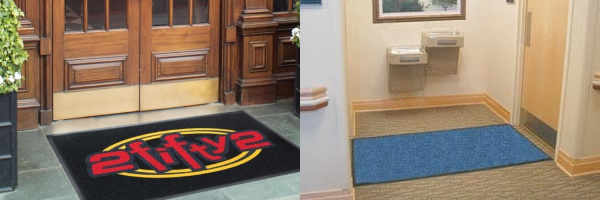
Indoor Entrance Mats & Runners
Indoor mats are a practical way to keep entrances cleaner and safer in busy facilities where tracked-in moisture and debris can become a daily problem. Mats Inc indoor mats support consistent entry control for business locations, apartment communities, retail storefronts, office lobbies, schools, and hospitals where appearance and maintenance efficiency both matter.


Why Indoor Mats Needs Specialized Product Type
High-traffic indoor entrances demand matting that holds up to repeated use while helping manage slip concerns and routine cleanup. In public-facing spaces, indoor mats need to stay stable underfoot, maintain a professional look, and support a cleaner transition from doorway to interior floors without creating bottlenecks at the entry.
Indoor Entrance Mats for Different Entry Conditions
Indoor entrance mats are selected based on traffic volume, moisture control needs, and how far coverage extends into interior spaces. Different mat types are used across lobbies, corridors, and entryways to manage tracking and support stable footing. Some environments require consistent day-to-day performance in high-traffic areas, while others benefit from extended coverage beyond the doorway. In larger layouts, matting can be used to maintain more consistent conditions as foot traffic moves further into the building.
Key Features for Indoor Entrance Mat Applications
Indoor entrance mats are designed to support consistent performance across interior entryways by helping manage moisture, maintain traction, and reduce tracking throughout the space. Common options include entry carpet mats, water absorbent entrance mats, and indoor floor mats that balance durability with appearance in commercial environments such as offices, retail stores, schools, and healthcare facilities. Surface construction, backing type, and material all contribute to how effectively indoor entrance mats perform under different traffic conditions. Selecting the right indoor matting helps maintain a cleaner, more controlled entry while supporting the overall look of the space.
Installation and Setup for Indoor Entrance Mats
Indoor entrance mats are typically placed in vestibules, lobbies, and interior doorways where foot traffic transitions from exterior to interior spaces. Positioning indoor mats and front door runners along natural walking paths allows for better coverage and more consistent contact across each step. In larger layouts, indoor runner mats and extended matting systems are used to carry coverage further into hallways and entry corridors, including areas that benefit from lobby floor mats. Proper placement helps improve performance while maintaining a clean and organized flow through the interior entry.
Maintenance for Indoor Entrance Mat Environments
Maintaining indoor entrance mats depends on traffic levels, environmental conditions, and the type of debris and moisture entering the building. Commercial entrance mats, carpet mats, and water absorbent mats require routine cleaning to preserve both performance and appearance, especially in high-traffic areas. Indoor matting used in offices, retail spaces, schools, and healthcare environments often follows structured cleaning schedules to support daily operations. Consistent maintenance helps extend the life of indoor floor mats while keeping interior entryways clean, controlled, and presentable.
Why Choose Mats Inc. for Your Indoor Mats Needs?
Mats Inc brings long-standing commercial entrance expertise and product depth to indoor mat selection, helping facilities choose solutions that fit traffic patterns, appearance expectations, and maintenance realities. With multiple indoor matting options available, teams can build an entry setup that stays effective over time rather than relying on a one-size approach.
Ready to Upgrade Your Indoor Mats?
If your entrances struggle with daily tracked-in debris or inconsistent presentation, upgrading indoor mats is a straightforward way to improve entry control. Explore indoor mat options that align with your facility type and cleaning routine, or contact Mats Inc for help selecting the right approach for your entry layout.
Waterhog Matting
Best For: High-traffic entrances where consistent walk-off performance matters.
Why It Works: Helps manage moisture and debris at the point of entry without overcomplicating upkeep.
Installation: Position where visitors take multiple steps after entering to maximize entry control.
Chevron Matting
Best For: Retail storefronts and office entries where presentation and entry wiping both matter.
Why It Works: Supports an organized entrance look while encouraging effective foot wiping.
Installation: Install in the main traffic path from doorway to interior flooring transitions.
Shop: Chevron Matting
Rubber Backed Mats
Best For: Schools, hospitals, and public-facing doors where stability is a priority.
Why It Works: Supports stable placement in busy entrances with frequent daily movement.
Installation: Keep the mat fully supported on the floor and clear of door swing interference.
Shop: Rubber backed Mats
Frequently Asked Questions
What are indoor mats best used for in commercial entrances?
Indoor mats are best used at interior door and entry points where traffic funnels into the building. They help support a cleaner entrance by concentrating debris and moisture at the indoor entrance mat area instead of allowing it to spread into adjacent floors.
How do I choose indoor mats for an office lobby or reception area?
Start with placement and traffic patterns, then select indoor mats that fit the entryway doormat indoor zone where visitors take multiple steps. If presentation is important, focus on consistent appearance and maintenance practicality so the door mat indoor area stays professional throughout the day.
Are non slip indoor door mat options important for public spaces?
Yes. In high-traffic areas, a non slip indoor door mat reduces the risk of movement underfoot and supports safer footing during daily use. For best results, keep the mat flat, ensure it sits fully on the floor, and avoid placements where doors drag across the surface.
When should I use waterproof indoor door mats?
Waterproof indoor door mats are most useful when moisture frequently enters the building and you need better control at the interior door mat location. They help contain wet conditions at the entry so surrounding floors are easier to manage during busy periods.
Do washable doormat indoor products make sense for facilities with regular cleaning schedules?
Washable doormat indoor options can be a strong fit when teams can follow a consistent routine. They work well where quick resets are valuable, especially at entry rugs indoor locations that see continuous traffic across the day.
Should I choose a low profile indoor doormat for doors with tight clearance?
If door clearance is limited, a low profile indoor doormat helps reduce dragging and bunching at the threshold. This is especially important when indoor mats are placed close to the swing path of entry doors.
What is the difference between an absorbent indoor doormat and a wiper mat?
An absorbent indoor doormat is intended to manage moisture carried in on shoes, while a wiper mat focuses more on removing debris through wiping action. Many facilities use both by placing wiping at the entry and absorbent coverage deeper into the interior door mat path.
Where should commercial indoor mats be placed for the best results?
Commercial indoor mats perform best where people naturally slow down and take multiple steps, such as entryway doormat indoor zones, vestibules, and front door mat indoor locations. For larger entrances, use a coordinated layout that supports a clean transition from the doorway into interior spaces.